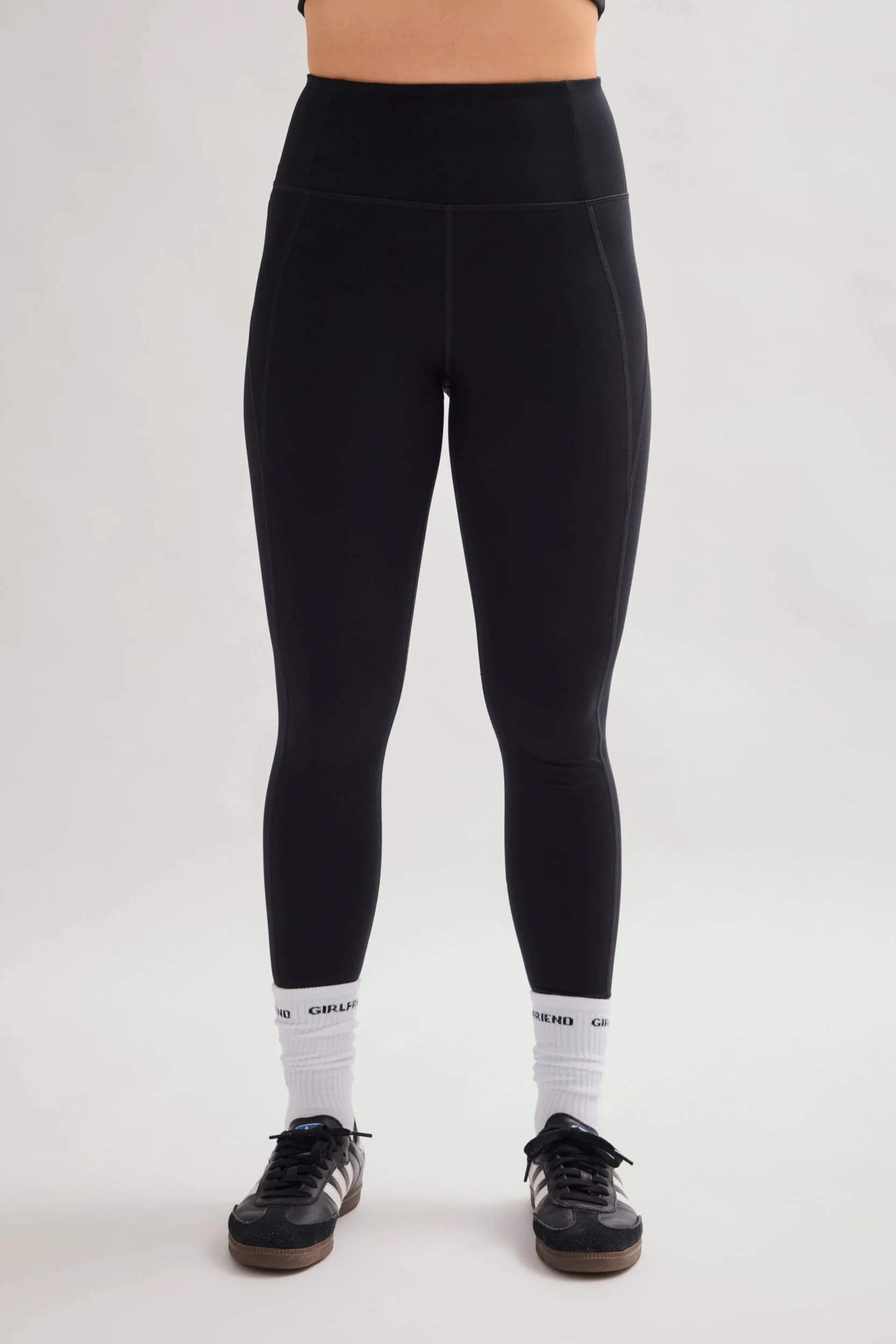
We Compared the Signature Fabrics of Four Major Activewear Brands

Theo MarshUpdated 7 min read

In This Story
In This Story
Key Takeaways
- Proprietary fabric names (Nulu, DreamKnit, Airlift, Dri-FIT) obscure real differences in compression, weight and design intent between brands.
- Vuori's DreamKnit prioritizes everyday softness over studio-specific compression, a genuinely different design goal from Lululemon's Luon or Alo's Airlift.
- Nike's Dri-FIT is a moisture-wicking treatment applied across varied base fabrics, not a single consistent material, which is why it can feel different across products.
Every major activewear brand has given its signature fabric a proprietary name — Nulu, DreamKnit, Airlift, Dri-FIT — which makes direct comparison harder than it should be. Stripped of the branding, the underlying differences come down to a handful of measurable properties.
Lululemon's Nulu and Luon
Nulu is Lululemon's buttery-soft, lighter-weight fabric, generally used in lower-impact pieces where next-to-skin feel matters more than heavy compression. Luon is the older, slightly more structured compression fabric used in original core styles — noticeably firmer and more supportive than Nulu, at a small cost to softness. If you are shopping specifically around Align's Nulu drape, see Lululemon Align alternatives for four comparable studio leggings at different price points.
Vuori's DreamKnit
DreamKnit is built around a brushed, performance-fleece feel rather than a compression fabric — softer and less structured than either Lululemon fabric, prioritizing everyday comfort over studio-specific support. It's a meaningfully different design goal, not simply a softer competitor to the same goal.

Alo's Airlift and Aloform
Airlift is a compressive, second-skin fabric built for a close, sculpted fit — closer in intent to Lululemon's Luon than to Vuori's DreamKnit, but generally cut tighter. Aloform, used in newer pieces, is a slightly heavier, more structured variant aimed at higher-impact use.

Nike's Dri-FIT
Dri-FIT is less a single fabric than a moisture-wicking treatment applied across a wide range of base fabrics, which is why Dri-FIT products can feel meaningfully different from each other depending on the specific garment. It's the most performance-lab-oriented of the four, generally prioritizing sweat management over the soft-hand feel the others compete on.
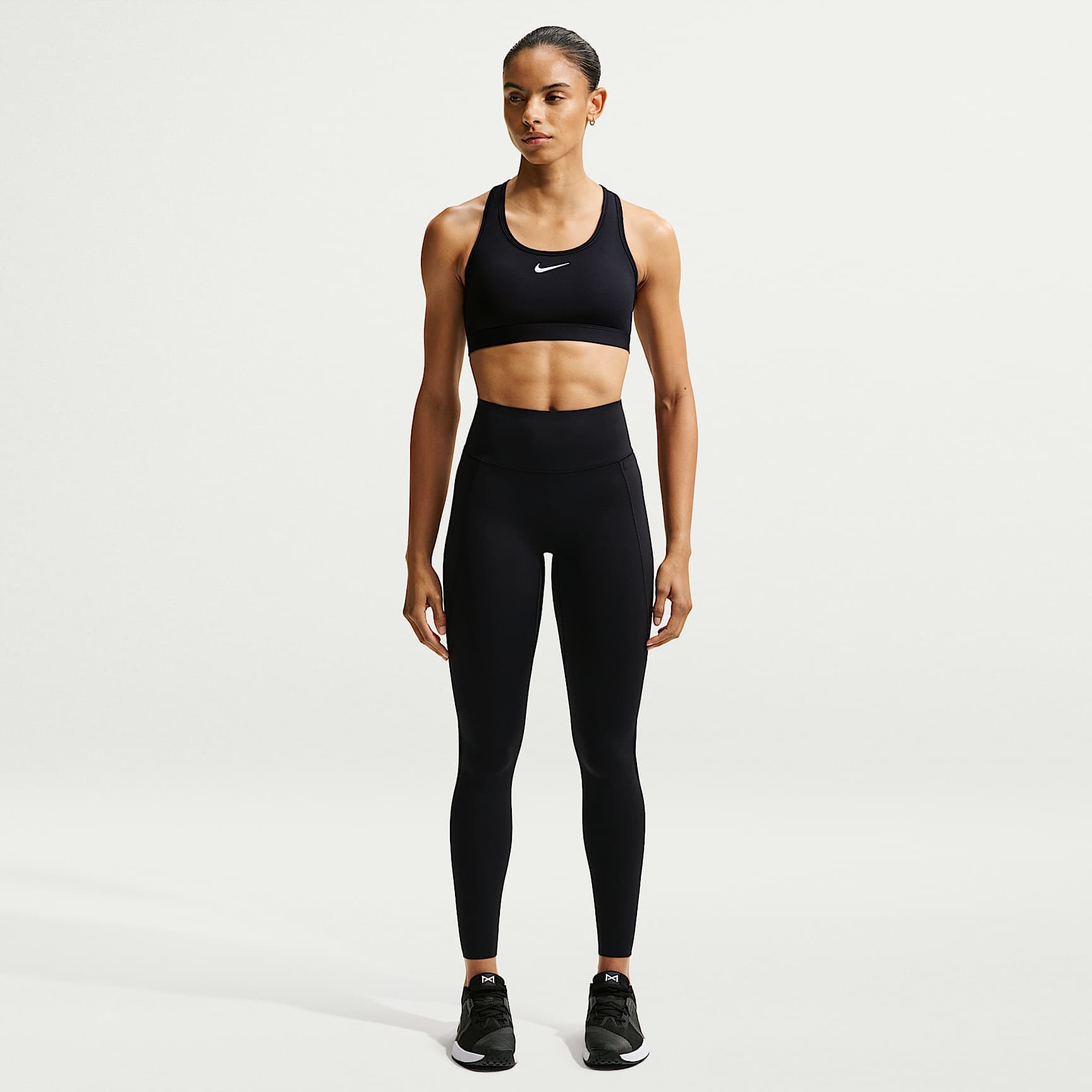
Approximate weight range across these four signature fabrics
140–260 gsm
Lululemon's Nulu and Vuori's DreamKnit sit toward the lighter end; Luon and Aloform toward the heavier, more structured end.
The practical takeaway: a fabric's proprietary name tells you almost nothing on its own. What matters is whether it's built for compression versus everyday softness, and how it holds up specifically to your own wash-and-wear routine — information that shows up more reliably in a brand's own care instructions and weight specs than in the marketing name itself. For technical outerwear outside this studio-legging set — including Nanamica's Alphadry and The North Face Purple Label — see our Japanese activewear guides.
Frequently Asked
Which of these signature fabrics is best for high-impact workouts?
Lululemon's Luon and Alo's Aloform are built with more structure and compression, generally suiting higher-impact use better than the softer, less structured Nulu or DreamKnit.
Does a proprietary fabric name guarantee consistent quality across a brand's products?
Not necessarily — Nike's Dri-FIT, for example, is a treatment applied to varying base fabrics rather than one consistent material, so the actual feel and performance can differ meaningfully between products carrying the same fabric name.
Sources
- Brand-published fabric technology and care specifications
- Lululemon Align Pant, product page
- Vuori Performance Jogger, product page
- Alo Airlift High-Waist 7/8 Rebel Legging, product page
- Nike Universa Leggings, product page
The Weekly
Movement, wellness, longevity and what we’re wearing — plus who’s moving on the athleisure ranking.
No spam. Just the good stuff.
By joining, you agree to our privacy policy.
Keep Reading