


In This Story
In This Story
Key Takeaways
- Girlfriend Collective publishes the most detailed supply-chain transparency of the brands compared here, built around recycled plastic and fishing-net sourcing.
- Patagonia's sustainability case rests heavily on extending product life through its long-running Worn Wear repair and resale program, not fabric sourcing alone.
- Third-party certifications like the Global Recycled Standard or bluesign are a more reliable signal than a brand's self-reported sustainability percentages.
"Made with recycled materials" has become close to a baseline claim across activewear hangtags rather than a meaningful differentiator. Comparing what's actually behind that claim at a few major brands shows real differences in depth and transparency.
Girlfriend Collective: the transparency leader
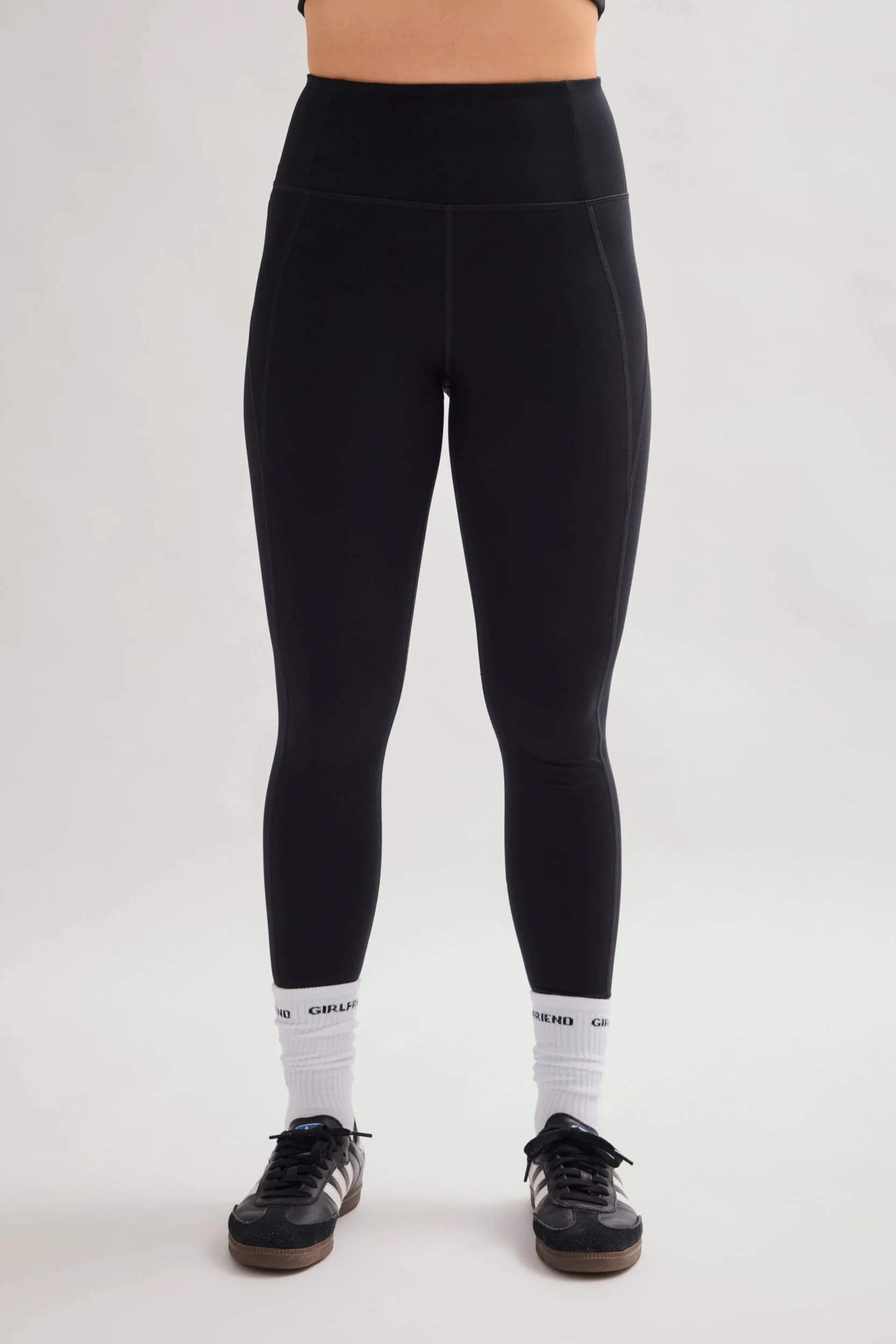
Girlfriend Collective built its brand identity specifically around recycled-material sourcing — primarily recycled plastic bottles and fishing nets — and publishes more detailed supply-chain and factory information than most competitors at a comparable price point.
Patagonia: the repair-and-resale pioneer
Patagonia's sustainability case rests less on the fabric itself and more on extending product life — its Worn Wear repair and resale program is one of the longest-running in outdoor and activewear apparel, built on the argument that the most sustainable garment is one that doesn't need replacing.
Lululemon: scale with a resale layer
Lululemon has published recycled-material sourcing targets and operates a "Like New" resale and trade-in program, though its sheer production scale makes its sustainability case a genuinely harder one to evaluate than a smaller, more narrowly focused brand's.
Vuori: newer to public reporting
Vuori has incorporated recycled fabric blends into a growing share of its line but has published less detailed public sustainability reporting than the other three brands here, making its program harder to independently evaluate at this point.

What to actually check on any brand's sustainability claim
Third-party certification
Independent standards like the Global Recycled Standard or bluesign are a more reliable signal than a brand's own self-reported percentage claims alone.
A recycled-materials claim on a hangtag is a starting point for questions, not a conclusion in itself.
All of this comes with the same caveat: these are brands' own published claims and programs, not independently audited comparisons. Third-party certification and transparency of reporting are the most useful signals available to shoppers trying to tell a genuine program from a marketing layer.
Frequently Asked
Are activewear brands' sustainability claims independently verified?
Not consistently — most of what's publicly available is self-reported by the brands themselves. Third-party certifications like the Global Recycled Standard or bluesign offer a more independently verified signal than a brand's own published percentages.
Does buying recycled-material activewear actually make a meaningful environmental difference?
It depends heavily on the specific program's depth and transparency — brands with detailed, third-party-certified sourcing and repair/resale infrastructure (like Girlfriend Collective's transparency or Patagonia's Worn Wear program) represent a more substantive commitment than a hangtag claim alone.
Sources
- Brand-published sustainability reports and recycled-material sourcing disclosures
- Global Recycled Standard and bluesign third-party certification criteria
- Girlfriend Collective Compressive High-Rise Legging, product page
- Patagonia Worn Wear, repair and resale program
- Lululemon Align Pant, product page
- Vuori Performance Jogger, product page
The Weekly
Movement, wellness, longevity and what we’re wearing — plus who’s moving on the athleisure ranking.
No spam. Just the good stuff.
By joining, you agree to our privacy policy.
Keep Reading


