
How to Size Japanese Activewear Brands: A Practical Guide

Theo MarshUpdated 8 min read

In This Story
In This Story
Key Takeaways
- Japanese brand size charts often use different proportions than US or EU charts — not a simple one-size offset.
- Measure chest, waist, hip, inseam, and sleeve length, then match each brand's chart in centimeters; prefer garment measurements for shells and fleeces.
- Goldwin, And Wander, Nanamica, Descente Allterrain, and Snow Peak each fit differently; treat them as five separate systems. Fit notes here are chart-based, not wear-tested.
If you landed here from our 5 Japanese Activewear Brands to Know guide, the short version is this: Japanese labels rarely size like scaled-down Western charts. Sleeve length, rise, and shoulder width often sit differently on each brand's published chart — so "size up one" advice fails as often as it works. Fit notes below come from reading those charts and product geometry, not a bendiii wear-test lab. This guide explains what to measure, how to read each chart, and when to expect returns.
Measure first, label second
- Chest at the fullest point, tape parallel to the floor
- Natural waist and high hip — activewear often sits between the two
- Inseam for pants; shoulder width and sleeve length for jackets
- Your usual US or EU size written down only as a reference, not a conversion target
Compare those numbers to each brand's published chart in centimeters when available. Japanese e-commerce sites often list body measurements and garment measurements separately — the garment row matters for layered pieces like shells and fleeces. On Goldwin C3fit tights, for example, outseam and thigh width are listed per size alongside waist circumference.
Brand-by-brand tendencies
- Goldwin / C3fit — performance cuts; running tights and tops often run close through torso length; check C3fit separately from mainline Goldwin
- And Wander — boxier outer layers with longer body; size for layering if you wear hoodies under shells
- Nanamica — workwear-adjacent proportions; shoulders can read wider relative to chest than Western outdoor brands
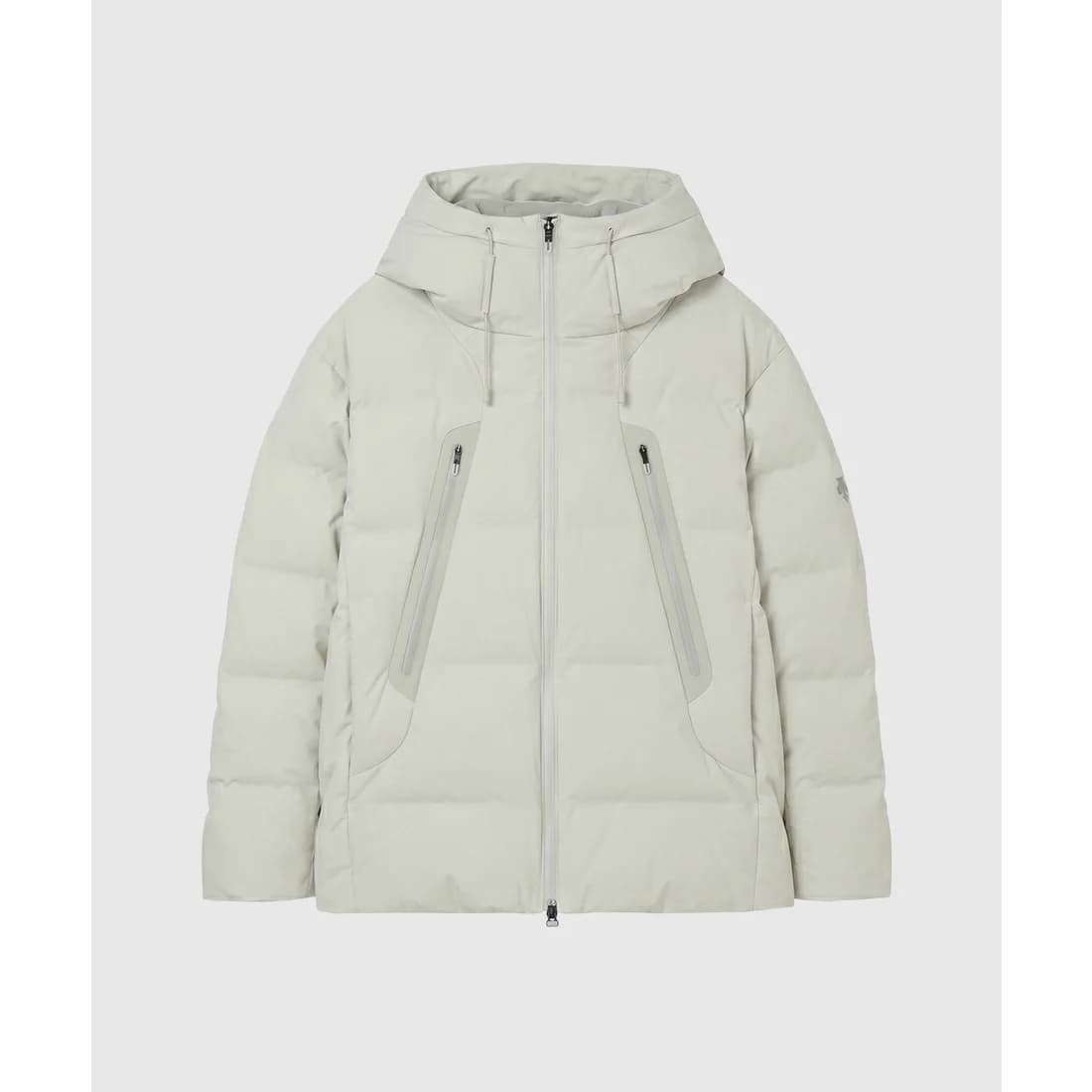
- Descente Allterrain — athletic trim on training pieces; ski heritage shows up in longer sleeves on some jackets
- Snow Peak — outdoor crossover sizing; trail pieces may fit roomier than city-first And Wander equivalents
Reference pieces to size against
These five products span the fit spectrum — compression tights, city shells, minimal outerwear, trail shells, and insulated crossover layers. Use each product page's size chart as your baseline, not a generic brand guide.



When ordering from outside Japan
International sites sometimes show JP, US, and EU columns on the same chart — use body measurements, not the column you usually shop. Return windows and restocking fees vary; our where to buy guide covers shipping and stockist options if you want to try before committing to direct import.
Frequently Asked
Do Japanese activewear brands run small?
Sometimes through the torso or sleeve, but not consistently across brands. And Wander outer layers can run boxy while C3fit running gear runs close. Body measurements beat generic 'size up' rules.
Should I size up when buying Japanese activewear online?
Only if your measurements sit between sizes on that brand's chart or you plan heavy layering under a shell. Blindly sizing up often creates shoulder and hem mismatch on technical pieces.
How do I convert a Japanese activewear size to US or EU?
Don't rely on a single conversion table. Use the brand's centimeter chart for that exact SKU — JP/US/EU columns on the same page are secondary to body and garment measurements.
Does Goldwin sizing match C3fit sizing?
Not reliably. C3fit compression pieces and mainline Goldwin training or lifestyle pieces are graded for different jobs — check the C3fit product chart separately from Goldwin 0 or mainline.
Sources
The Weekly
Movement, wellness, longevity and what we’re wearing — plus who’s moving on the athleisure ranking.
No spam. Just the good stuff.
By joining, you agree to our privacy policy.
Keep Reading


