

In This Story
In This Story
Key Takeaways
- Activewear resale has grown by solving the category's specific trust problem — condition grading and authentication built around technical fabric wear, not general secondhand clothing standards.
- Premium, structurally durable pieces retain resale value; fast-fashion activewear largely doesn't, since its stretch and compression properties degrade fastest.
- A functioning resale market changes the economics of a first purchase, since a durable piece with real resale value is a different proposition than one with none.
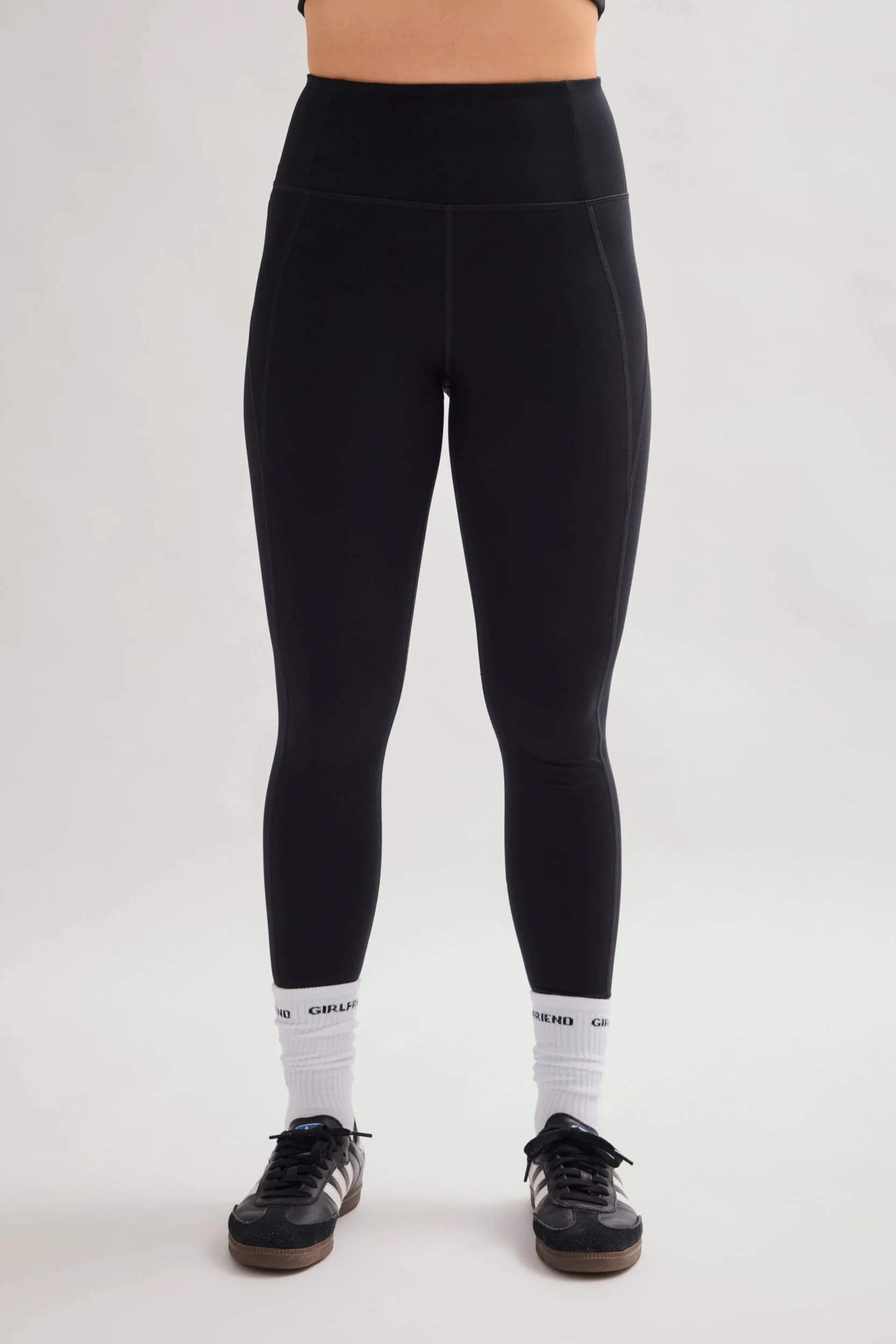
Secondhand activewear used to be a genuinely hard sell — worn stretch fabric and compression garments carry an obvious hygiene stigma that secondhand blazers or jeans don't. A dedicated resale market has grown anyway, built around solving exactly that trust problem rather than ignoring it.
How the trust problem actually gets solved
- Condition grading systems specific to technical fabric wear, not just general secondhand clothing condition scales
- Platforms specializing exclusively in activewear, rather than general resale marketplaces treating it as a minor category
- Authentication and cleaning standards borrowed partly from the luxury resale market's playbook
The category skews heavily toward higher-end, structurally durable pieces — leggings and jackets from brands known for genuine fabric longevity hold resale value; cheaper, fast-fashion activewear largely doesn't, since the stretch and compression properties that make secondhand activewear viable degrade fastest in lower-quality fabric.
Resale value retention gap between premium and fast-fashion activewear after one year of regular wear
Significantly wider
Premium technical fabric retains functional stretch and compression longer, which is what actually drives resale viability, not just brand recognition.
What this changes about first-time buying
A functioning resale market changes the economics of buying premium in the first place — a genuinely durable piece that retains 40-50% of its value after a year of wear is a meaningfully different purchase than the same price tag with zero resale value at the end of its life. That's quietly become part of the pitch for higher-end activewear brands.
Frequently Asked
Is secondhand activewear actually hygienic to buy?
Dedicated activewear resale platforms have built cleaning and condition-grading standards specifically for technical fabric, addressing the hygiene concern that made secondhand activewear a hard sell in general resale marketplaces.
Which activewear holds resale value best?
Premium pieces from brands known for genuine fabric durability retain the most value, since their stretch and compression properties hold up longest. Fast-fashion activewear generally retains little to no resale value.
The Weekly
Movement, wellness, longevity and what we’re wearing — plus who’s moving on the athleisure ranking.
No spam. Just the good stuff.
By joining, you agree to our privacy policy.
Keep Reading